

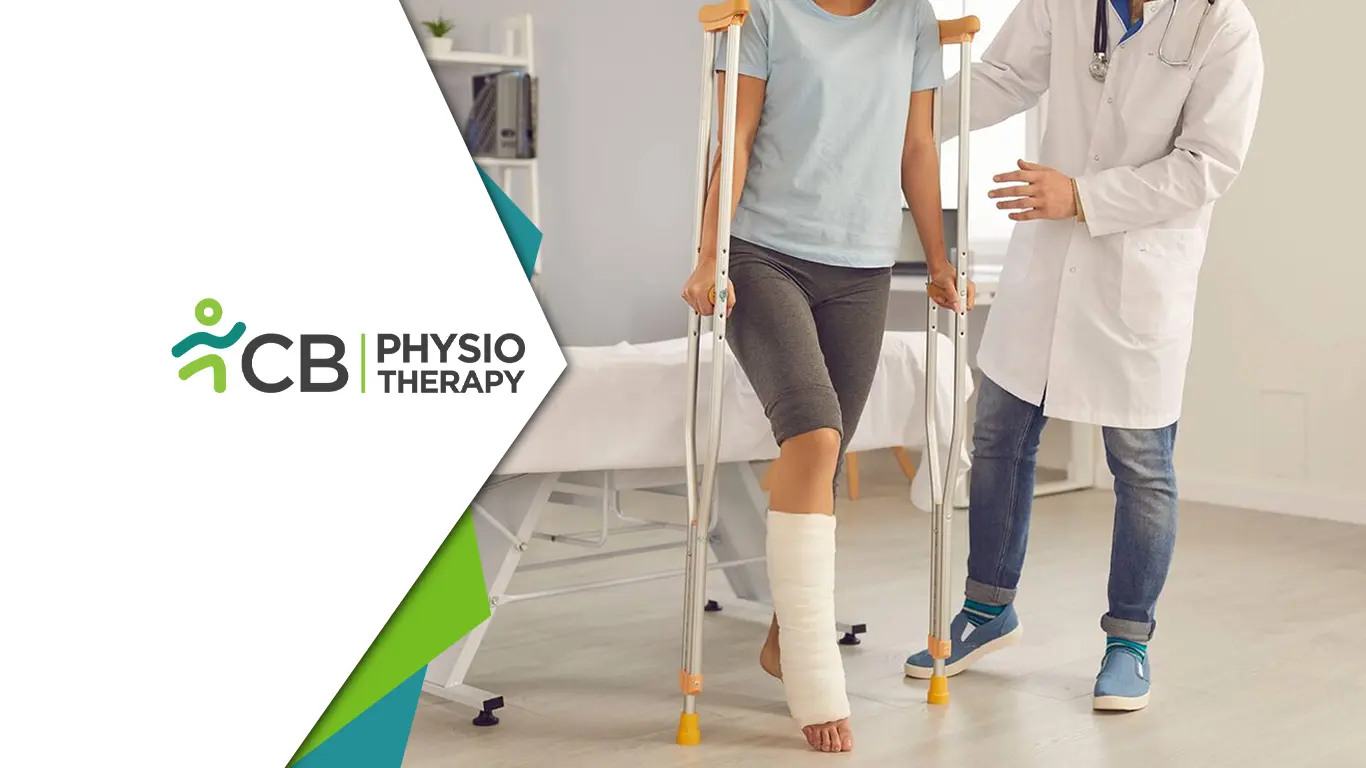
When someone sustains a fracture, the primary focus is often on bone healing. Once the cast comes off and X-rays confirm union, many patients believe recovery is complete. However, for a large number of individuals, the real challenge begins afterward — stiffness, weakness, pain, and difficulty moving the affected limb normally. This condition, known as post-fracture stiffness, can significantly limit function if not addressed properly. This is where physiotherapy becomes essential, not optional.
What Is Post-Fracture
Stiffness?
Post-fracture stiffness refers to reduced joint
movement and soft tissue flexibility following a fracture and its
immobilization period. While immobilization is necessary to allow bones to
heal, it also causes muscles, tendons, ligaments, and joint capsules to
tighten. Blood circulation decreases, muscle strength drops, and normal joint
lubrication is reduced — all contributing to restricted movement and
discomfort.
Commonly affected areas include:
1. Wrist and fingers after forearm fractures
2. Shoulder after humerus fractures
3. Ankle and knee after lower limb injuries
Without proper rehabilitation, stiffness can become
chronic and lead to long-term disability.
Why Does Stiffness Occur
Even After Bone Healing?
Bone healing and functional recovery are two very
different processes. Even though the fracture site may be structurally stable,
the surrounding tissues often remain weak and inflexible. Key reasons include:
1. Prolonged Immobilization: Casts and splints restrict movement,
leading to muscle shortening and joint capsule tightening.
2. Pain Avoidance: Patients naturally avoid moving
painful joints, which worsens stiffness over time.
3. Swelling and Inflammation: Persistent edema limits joint
mobility and muscle activation.
4. Scar Tissue Formation: After trauma or surgery, scar tissue
can restrict soft tissue glide and joint mechanics.
Without targeted intervention, these factors slow
recovery and may prevent patients from regaining full function.
Common Symptoms of Post-Fracture Stiffness
Patients with post-fracture stiffness may experience:
1. Difficulty bending or straightening the joint
2. Pain or tightness during movement
3. Weak grip strength or reduced endurance
4. Difficulty performing daily activities such as
dressing, walking, or lifting
In severe cases, stiffness may progress to joint
contractures, making normal movement extremely difficult and sometimes
permanent.
Why Physiotherapy Is Crucial After Fracture Healing?
Physiotherapy plays a vital role in restoring normal
movement, strength, and confidence after fractures. It bridges the gap between
bone healing and full functional recovery.
1. Restores Joint Mobility
Physiotherapists use graded joint mobilizations,
stretching techniques, and active range-of-motion exercises to gradually
restore flexibility and joint mechanics.
2. Rebuilds Muscle Strength
Muscle atrophy occurs rapidly during immobilization.
Progressive strengthening exercises help restore muscle power, endurance, and
coordination.
3. Reduces Pain and Swelling
Modalities such as cryotherapy, heat therapy,
ultrasound, and electrotherapy (when appropriate) can reduce inflammation and
discomfort, allowing more effective movement training.
4. Prevents Long-Term Disability
Early and appropriate physiotherapy prevents
complications such as frozen shoulder, chronic stiffness, and post-traumatic
arthritis.
5. Restores Functional Independence
Rehabilitation focuses not only on movement but also
on daily tasks — walking, gripping, climbing stairs, and returning to work or
sports.
When Should Physiotherapy Begin?
Physiotherapy often begins during immobilization with
safe exercises for surrounding joints and unaffected muscles. Once the cast or
brace is removed, structured rehabilitation should start immediately to prevent
further stiffness.
Delaying physiotherapy increases recovery time and
raises the risk of permanent motion loss. Early intervention consistently leads
to better outcomes and faster return to normal activities.
What Does a Physiotherapy Program Include?
A well-designed post-fracture rehabilitation program
is individualized based on fracture type, healing stage, and patient goals.
Common components include:
1. Range of Motion Exercises: Passive, assisted, and active
movements to restore joint mobility.
2. Stretching Techniques: To lengthen tight muscles and
connective tissues.
3. Strength Training: Gradual resistance exercises to
rebuild muscle power.
4. Joint Mobilization: Manual therapy to improve joint
glide and mechanics.
5. Functional Training: Task-based exercises such as
walking, gripping, lifting, or sports-specific drills.
6.Education: Teaching posture correction, safe
movement patterns, and home exercise routines.
Consistency and progression are key to achieving
optimal recovery.
What Happens If Post-Fracture Stiffness Is Ignored?
Ignoring stiffness can lead to:
1.Chronic pain and limited mobility
2. Muscle imbalances and poor movement patterns
3. Increased risk of re-injury
4. Reduced ability to work or participate in sports
5. Long-term joint degeneration
In severe cases, surgical intervention may be required
— something that could often be avoided with early physiotherapy.
Healing a fracture is only the first step toward full
recovery. Without restoring joint mobility, muscle strength, and functional
movement, patients may continue to struggle long after the bone has united. Post-fracture
stiffness is common but highly treatable — especially with timely physiotherapy
intervention.
Physiotherapy ensures that patients not only heal but
return to living confidently, moving freely, and performing daily activities
without limitation. Whether the injury affects the hand, shoulder, knee, or
ankle, structured rehabilitation is the key to transforming bone healing into
complete recovery.
At professional physiotherapy clinics,
individualized treatment plans, evidence-based techniques, and guided
progression ensure safe, efficient, and long-lasting outcomes — helping
patients regain strength, mobility, and quality of life after fractures.