

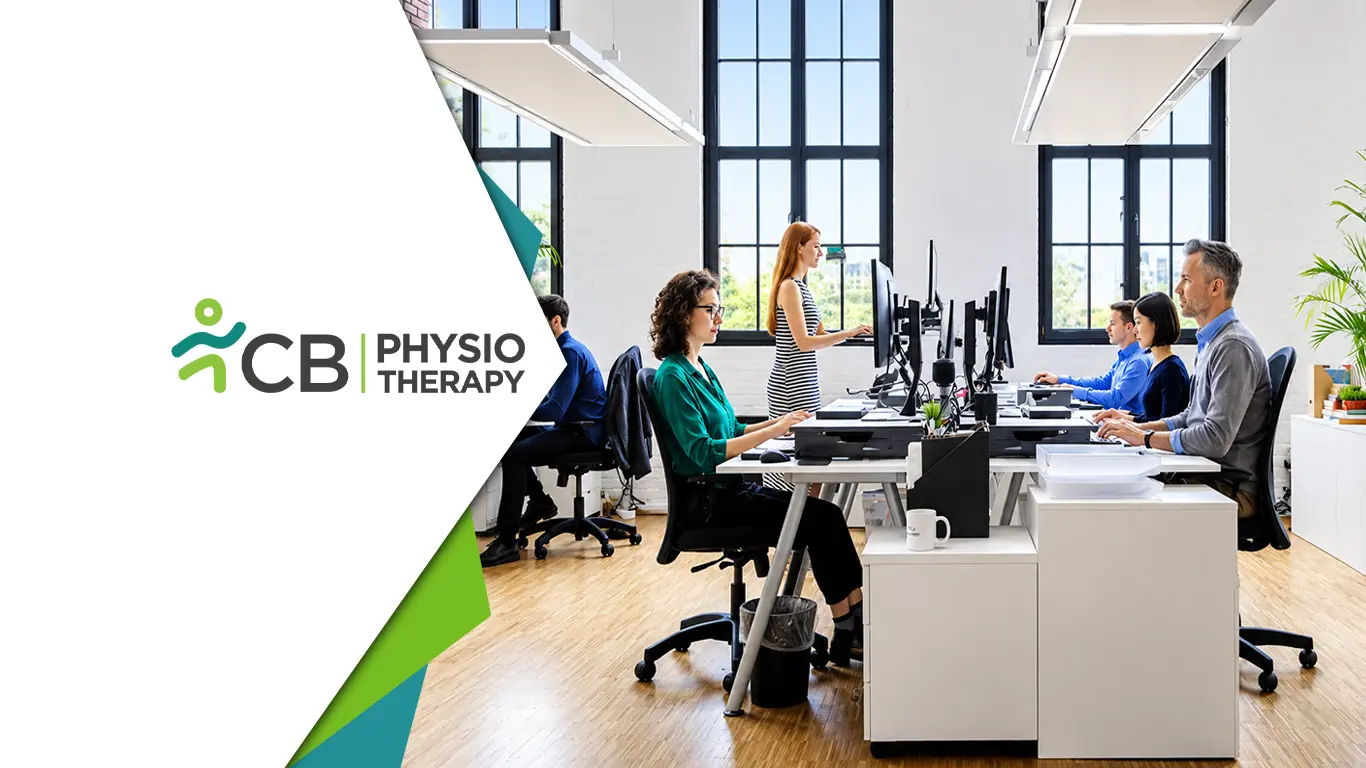
In today's fast-evolving work environment, employee well-being has become a strategic business priority rather than just a human resources initiative. While organizations have traditionally focused on mental health, stress management, and employee engagement, another critical area is rapidly gaining attention: musculoskeletal health.
Musculoskeletal disorders (MSDs)—which affect
muscles, bones, joints, tendons, ligaments, and nerves—are among the leading
causes of workplace injury, absenteeism, and reduced productivity worldwide.
From office workers experiencing chronic neck and back pain to manual laborers
dealing with repetitive strain injuries, musculoskeletal health challenges
impact employees across every industry.
As employers face rising healthcare costs,
talent retention challenges, and increasing expectations around workplace
wellbeing, prioritizing musculoskeletal health has become essential for
building a healthy, productive, and resilient workforce.
Understanding Musculoskeletal Health
Musculoskeletal health refers to the proper
functioning of the body's muscles, bones, joints, and connective tissues. When
these systems are compromised, employees may experience pain, discomfort,
stiffness, fatigue, or limited mobility.
Common workplace-related musculoskeletal
issues include:
·
Neck
and shoulder strain
·
Repetitive
strain injuries (RSIs)
·
Joint
pain and inflammation
These conditions can develop gradually due to
poor posture, repetitive movements, prolonged sitting, improper lifting
techniques, or inadequate workplace ergonomics.
The Hidden Cost of Musculoskeletal Disorders
Many employers underestimate the financial and
operational impact of musculoskeletal problems. While severe injuries often
receive immediate attention, chronic discomfort and minor aches can quietly
erode workforce performance over time.
Employees experiencing musculoskeletal pain
may struggle with concentration, productivity, and job satisfaction. Even when
they continue working, their performance may decline due to discomfort or
limited mobility—a phenomenon known as presenteeism.
The consequences for organizations include:
·
Increased
absenteeism
·
Reduced
productivity
·
Higher
healthcare and insurance costs
·
Increased
workers' compensation claims
·
Employee
turnover
·
Lower
workplace morale
For large organizations, these costs can
amount to millions of dollars annually, making prevention a sound business
investment rather than an optional wellness initiative.
The Rise of Sedentary Work
One of the biggest drivers behind growing
musculoskeletal concerns is the modern workplace itself. The shift toward
desk-based roles, hybrid work models, and increased screen time has
significantly reduced daily physical activity.
Many employees spend eight or more hours each
day sitting at desks, often in less-than-ideal ergonomic conditions. Prolonged
sitting places stress on the spine, weakens supporting muscles, and contributes
to poor posture. Over time, these factors can lead to chronic pain and
long-term health complications.
Remote and hybrid work arrangements have
further highlighted the issue. Many home offices were created quickly and lack
ergonomic furniture, height-adjustable desks, or appropriate workstation
setups. As a result, employers are recognizing the need to extend workplace
health initiatives beyond traditional office spaces.
Employee Expectations Are Changing
Today's workforce expects employers to take a
proactive role in supporting overall health and well-being. Workplace wellness
programs are no longer limited to gym memberships or mental health resources.
Employees increasingly value organizations
that invest in preventive health measures, ergonomic work environments, and
injury prevention programs. Companies that demonstrate genuine concern for
employee well-being often enjoy stronger engagement, higher retention rates, and
a more positive employer brand.
Musculoskeletal health initiatives signal that
an organization cares about employees' long-term quality of life, not just
their immediate productivity.
Ergonomics Is Becoming a Strategic Priority
Forward-thinking employers are integrating
ergonomics into their workplace strategy. Ergonomics focuses on designing work
environments that fit the needs and capabilities of employees, reducing strain
and improving comfort.
Effective ergonomic interventions may include:
·
Adjustable
desks and chairs
·
Proper
monitor positioning
·
Ergonomic
keyboards and accessories
·
Safe
lifting equipment
·
Workstation
assessments
·
Employee
education on posture and movement
These relatively simple adjustments can
significantly reduce injury risk while improving employee comfort and
performance.
Rather than reacting to injuries after they
occur, organizations are increasingly adopting preventive ergonomic solutions
that support healthier work habits from the start.
The Link Between Musculoskeletal and Mental
Health
Musculoskeletal health and mental well-being
are closely connected. Chronic pain can contribute to stress, anxiety, sleep
disturbances, and reduced quality of life. Conversely, high levels of workplace
stress can increase muscle tension and exacerbate physical discomfort.
Employers are beginning to recognize that
employee well-being cannot be addressed through isolated initiatives. A holistic
health strategy must consider both physical and psychological factors.
By reducing physical pain and discomfort,
organizations can improve not only physical health outcomes but also overall
employee satisfaction and mental resilience.
Technology Is Supporting Prevention
Advances in workplace health technology are
making it easier for employers to monitor and improve musculoskeletal
wellbeing.
Wearable devices, posture-monitoring tools,
ergonomic assessment software, and digital wellness platforms provide valuable
insights into employee movement patterns and risk factors. Some organizations
are using artificial intelligence and data analytics to identify trends and
implement targeted interventions before injuries occur.
These innovations allow companies to shift
from reactive treatment to proactive prevention, creating healthier work environments
while reducing long-term costs.
Building a Culture of Movement
A key component of musculoskeletal health is
encouraging regular movement throughout the workday. Employers are increasingly
promoting practices such as:
·
Stretch
breaks
·
Walking
meetings
·
Standing
workstations
·
Movement
reminders
·
Workplace
fitness programs
·
Mobility
and strengthening exercises
Creating a culture that values movement helps
counteract the negative effects of prolonged sitting and repetitive work tasks.
Even small behavioral changes can have a
significant impact on employee comfort, energy levels, and long-term health
outcomes.
Musculoskeletal health is no longer a niche
occupational health concern—it is a business-critical issue that affects
workforce productivity, employee engagement, healthcare costs, and
organizational performance.
As work environments continue to evolve,
employers have an opportunity to create healthier, more supportive workplaces
through ergonomic design, preventive health programs, education, and technology-driven
solutions. Organizations that prioritize musculoskeletal wellbeing are not only
reducing injury risks but also investing in the long-term success of their
people.
In an era where employee well-being is directly
linked to business performance, musculoskeletal health has rightly emerged as a
top priority for employers. The companies that act now will be better
positioned to attract talent, improve productivity, and build a healthier
workforce for the future.