

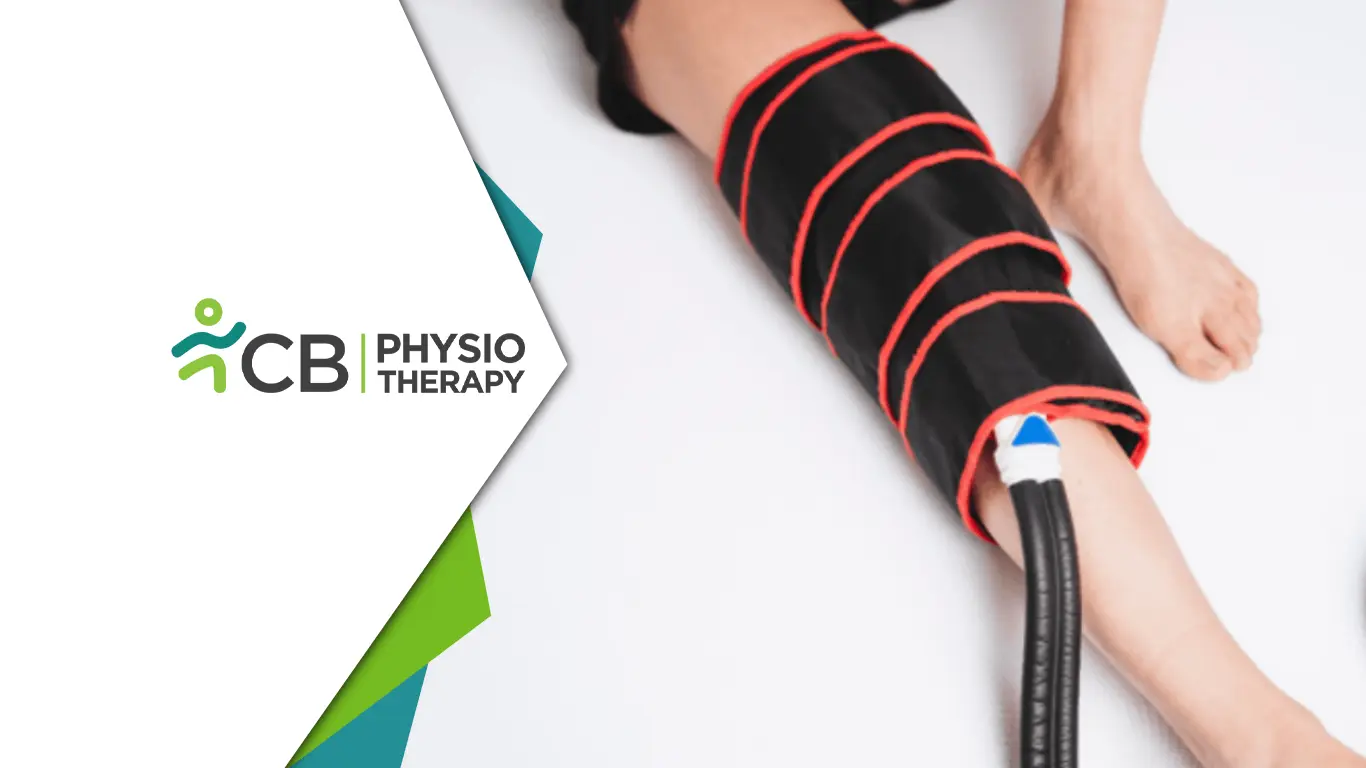
In the world of modern physiotherapy and rehabilitation, technology continues to evolve—bringing smarter, safer, and more effective ways to manage pain, inflammation, and post-surgical recovery. Among these innovations, advanced cold and compression therapy systems have become a game-changer for both clinicians and patients.
While many people are familiar with the traditional
use of ice packs for pain relief, today’s automated cold and compression
systems take this concept several steps further—combining precision,
consistency, and therapeutic control that manual icing methods simply cannot
offer. At CB Physiotherapy, this modern therapy is now available to help
patients recover faster, more comfortably, and more effectively.
What Is Advanced Cold and Compression Therapy?
Cold and compression therapy is a clinically proven
method that integrates two well-established treatment principles: cryotherapy
(cold therapy) and intermittent pneumatic compression.
1. Cold therapy helps reduce inflammation, minimize
tissue damage, and alleviate pain by constricting blood vessels and slowing
down cellular metabolism.
2. Compression therapy promotes efficient circulation,
reduces swelling (edema), and accelerates the removal of metabolic waste from
injured tissues.
3. When used together in a controlled system, these two
effects work synergistically—enhancing the recovery process and improving
patient comfort.
Modern devices used at CB Physiotherapy maintain
optimal therapeutic temperatures for longer durations without the risk of
frostbite or uneven cooling. The result is consistent, deeper tissue cooling
and more effective edema management.
Why This Technology Matters in Rehabilitation?
Physiotherapists and rehabilitation professionals
increasingly recognize that recovery is not only about exercise and manual
therapy—it’s about managing inflammation and pain efficiently, especially in
the early stages of healing.
At CB Physiotherapy, cold and compression therapy is
integrated into customized treatment programs to complement manual techniques,
exercises, and other modalities.
Here’s how it contributes to better rehabilitation
outcomes:
1. Accelerated Recovery After Surgery
Post-operative swelling and pain can significantly delay rehabilitation progress. Targeted cold and compression therapy helps minimize these symptoms in the critical early phase after procedures like total knee replacement, ACL reconstruction, shoulder arthroscopy, and rotator cuff repair. This allows patients to begin physiotherapy earlier, restoring range of motion and strength faster.
2. Reduced Dependency on Pain Medication
One of the major indirect benefits is reduced reliance on analgesics and anti-inflammatory drugs. Controlled cold therapy provides natural pain relief by numbing nerve endings and reducing local inflammation, allowing patients to manage discomfort with fewer medications and fewer side effects.
3. Improved Circulation and Lymphatic Drainage
he intermittent compression aspect acts like a gentle massage—stimulating lymphatic flow, reducing pooling of fluids, and improving oxygen delivery to healing tissues. This enhanced microcirculation promotes faster tissue repair and less stiffness.
4. Enhanced Athlete Recovery
For athletes or active individuals, recovery time can make all the difference between training and injury downtime. Cold and compression therapy reduces muscle soreness and fatigue, accelerates post-workout recovery, and supports performance longevity.
5. Precision and Comfort Over Traditional Ice Packs
Unlike ice packs, which often lose temperature rapidly and create inconsistent cooling, automated systems maintain a steady temperature range throughout the session. They also avoid issues like dripping water, skin burns, or over-cooling—providing a cleaner, safer, and more efficient experience for patients.
Indirect Benefits for Patients and Clinics
The advantages of incorporating this therapy extend
beyond direct physiological effects. There are several indirect benefits that
positively impact patient satisfaction and clinical workflow.
1. Better Patient Compliance: Because treatments are comfortable
and outcomes are visible (such as reduced swelling and pain), patients are more
motivated to follow their rehabilitation plan.
2. Faster Return to Function: Less swelling and stiffness mean
patients regain functional movement sooner, translating to improved quality of
life and reduced downtime from work or daily activities.
3. Time Efficiency: These systems often require minimal
supervision once set up, allowing physiotherapists to focus on manual
techniques or other patients while therapy continues.
Conditions Commonly Treated with Cold and Compression
Therapy
1. This therapy is versatile and beneficial across a
range of orthopedic and sports-related conditions, such as:
2. Post-surgical recovery (knee, shoulder, hip, ankle)
3. Acute ligament sprains and muscle strains
4. Tendon injuries (Achilles, rotator cuff, patellar
tendinopathy)
5. Post-fracture or post-casting swelling
6. Chronic inflammatory conditions like bursitis or
tendinitis
7. Post-exercise muscle soreness
At CB Physiotherapy, patients undergo a thorough
assessment before treatment to determine the suitability and intensity of each
session.
A Step Forward in Patient-Centric Care
Integrating advanced cold and compression systems into
physiotherapy practice bridges the gap between traditional treatment and modern
technology-driven rehabilitation. It reflects a shift toward precision
recovery—where each therapy session is not only about symptom control but also
about enhancing biological healing.
Patients at CB Physiotherapy often notice visible
improvements in swelling and comfort after just a few sessions, which
indirectly leads to better engagement, faster milestones, and overall higher
satisfaction.
In today’s fast-moving world, patients expect faster
and more comfortable recovery experiences. As physiotherapists, the goal is to
merge evidence-based techniques with innovative technology that supports
healing naturally.
Cold and compression therapy—as available at CB Physiotherapy—represents one of the most effective adjuncts to modern rehabilitation. By controlling inflammation, pain, and swelling in a precise and patient-friendly way, this system indirectly enhances every aspect of recovery—from post-operative care to athletic rehabilitation. Ultimately, the focus isn’t on the machine itself—but on what it enables: better outcomes, faster recovery, and happier, pain-free patients.