

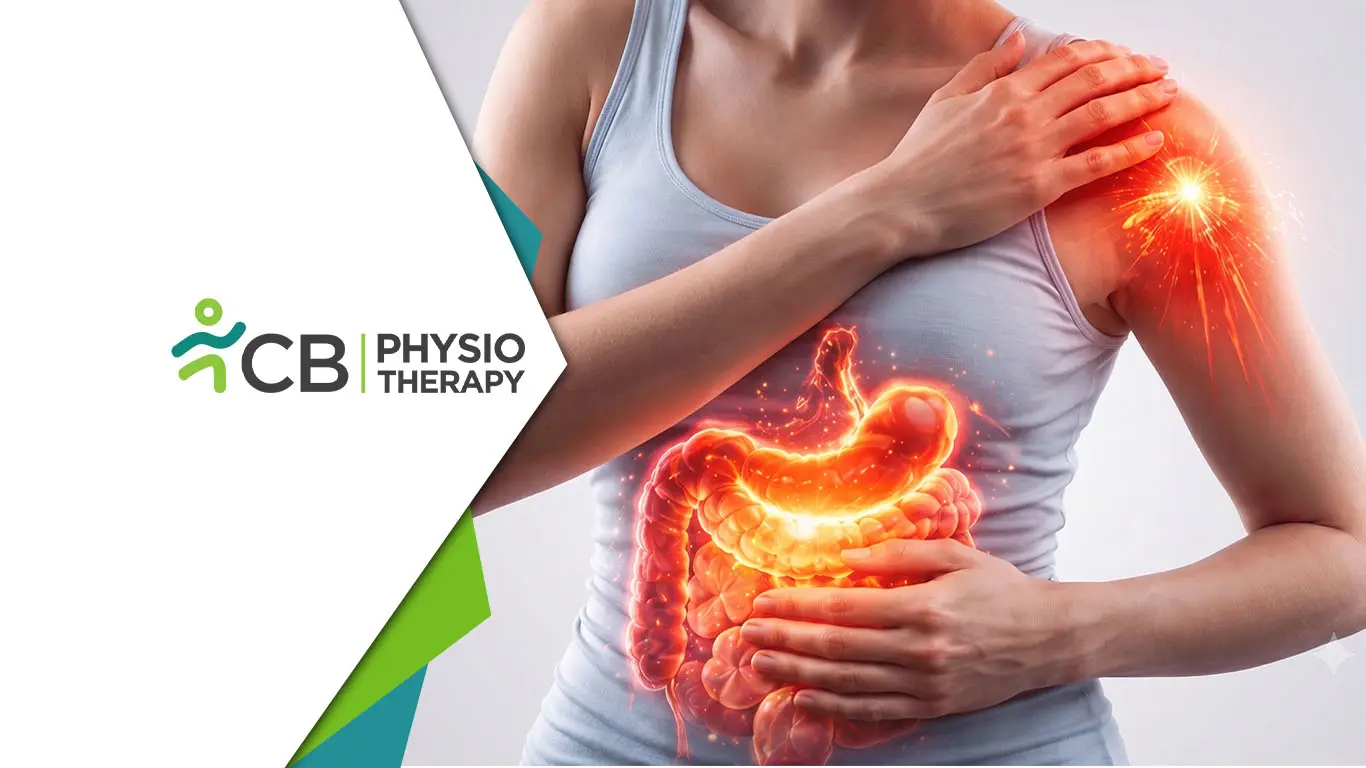
When you think about the causes of back, neck, or joint pain, poor posture, injuries, or aging probably come to mind. However, growing research suggests that another factor may influence how your body feels—your gut health. While gut problems are not a direct cause of most musculoskeletal pain, the health of your digestive system can affect inflammation throughout the body, which may influence pain, recovery, and overall physical well-being.
Understanding this connection can help you
take a more holistic approach to managing pain. Combined with evidence-based
physiotherapy, healthy lifestyle habits can support better movement, improved
function, and long-term recovery.
Understanding the Gut-Body Connection
Your gut is home to trillions of
microorganisms, collectively known as the gut microbiome. These bacteria,
viruses, and fungi play an essential role in digestion, nutrient absorption,
immune function, and maintaining the body's inflammatory balance.
A healthy gut microbiome supports normal
immune responses. When this balance is disrupted—a condition often referred to
as gut dysbiosis—it may contribute to increased inflammation in some people.
Although researchers are still studying these relationships, chronic
inflammation has been associated with several health conditions, including some
that affect muscles, joints, and connective tissues.
This does not mean that every episode of back
or neck pain is caused by gut health. Instead, gut health is one of many
factors that may influence how your body responds to pain and healing.
How Inflammation Affects Muscles and Joints?
Inflammation is the body's natural response to
injury or infection. In the short term, it helps tissues heal. Problems can
arise when inflammation becomes persistent or excessive.
Long-term inflammation may:
·
Increase
pain sensitivity.
·
Slow
tissue healing.
·
Contribute
to joint stiffness.
·
Affect
muscle recovery after injury or exercise.
·
Reduce
overall physical function.
For people already dealing with
musculoskeletal conditions, ongoing inflammation may make symptoms feel worse
or recovery take longer.
Signs That Inflammation May Be Playing a Role
Inflammation isn't always obvious, but some
people may experience:
·
Persistent
muscle or joint aches.
·
Morning
stiffness that improves with movement.
·
Fatigue
alongside chronic pain.
·
Recurrent
flare-ups of existing musculoskeletal conditions.
·
Digestive
symptoms such as bloating or irregular bowel habits occurring alongside pain
(though these symptoms may have many different causes).
If these symptoms persist, it's important to
seek medical evaluation to identify the underlying cause rather than assuming
gut health is responsible.
Common Factors That Influence Gut Health
Several everyday habits can affect the health
of your gut microbiome, including:
·
A
diet low in fibre and high in ultra-processed foods.
·
Chronic
stress.
·
Poor
sleep quality.
·
Lack
of physical activity.
·
Smoking.
·
Frequent
or unnecessary use of certain medications, such as antibiotics (only take
medications as prescribed by your healthcare provider).
Improving these lifestyle factors can support
both digestive and overall health.
The Role of Physiotherapy in Managing Inflammation-Related
Pain
Physiotherapy does not treat gut disorders,
but it plays a vital role in managing pain, improving movement, and supporting
recovery in people experiencing musculoskeletal conditions. When inflammation
contributes to pain, physiotherapy can help you stay active safely and regain
confidence in movement.
1. Reducing Pain Through Targeted Treatment
Physiotherapists use evidence-based techniques
such as manual therapy, therapeutic exercises, soft tissue mobilisation, and
pain education to help reduce discomfort while improving mobility.
2. Improving Movement and Joint Function
Pain often causes people to avoid movement,
which can lead to stiffness, muscle weakness, and reduced flexibility. A
physiotherapist designs an individualised exercise programme to restore normal
movement patterns and improve joint function.
3. Prescribing Safe Exercise
Regular physical activity is known to support
overall health and may help regulate inflammatory processes in the body.
Physiotherapists recommend exercises that match your condition, fitness level,
and recovery goals, helping you stay active without worsening symptoms.
4. Strengthening Muscles for Better Support
Strong muscles provide stability to the spine
and joints, reducing unnecessary stress on painful areas. Progressive
strengthening exercises can improve posture, balance, endurance, and long-term
function.
5. Correcting Posture and Movement Patterns
Poor posture and repetitive movements can
increase strain on muscles and joints. Physiotherapists identify movement
habits that may contribute to discomfort and teach practical strategies to
improve body mechanics during work, exercise, and daily activities.
6. Supporting Long-Term Recovery
Successful pain management often requires more
than short-term symptom relief. Physiotherapists educate patients about pacing
activities, preventing flare-ups, maintaining an active lifestyle, and
developing sustainable habits that support long-term health.
A Holistic Approach Works Best
Managing musculoskeletal pain is often most
effective when multiple aspects of health are addressed together. Depending on
your needs, your healthcare team may recommend:
·
Regular
physiotherapy sessions.
·
A
balanced diet rich in fruits, vegetables, whole grains, legumes, and fibre.
·
Regular
physical activity.
·
Good
sleep hygiene.
·
Stress
management techniques.
·
Medical
evaluation for persistent digestive symptoms or unexplained inflammation.
This integrated approach supports both
physical recovery and overall well-being.
When Should You See a Physiotherapist?
You may benefit from physiotherapy if you
experience:
·
Back
or neck pain lasting more than a few weeks.
·
Joint
pain affecting daily activities.
·
Reduced
flexibility or stiffness.
·
Recurring
muscle pain.
·
Difficulty
returning to work, sports, or exercise after an injury.
Early assessment allows a physiotherapist to
identify movement impairments, develop a personalised rehabilitation plan, and
help prevent pain from becoming a long-term problem.
The relationship between gut health,
inflammation, and musculoskeletal pain is an evolving area of research. While
gut health is unlikely to be the sole cause of back, neck, or joint pain for
most people, maintaining a healthy digestive system may contribute to overall
wellness and support the body's ability to recover.
At the same time, physiotherapy remains one of
the most effective, evidence-based approaches for reducing pain, restoring
mobility, improving strength, and helping people return to the activities they
enjoy. By combining physiotherapy with healthy lifestyle choices and
appropriate medical care, you can take meaningful steps toward better movement,
improved function, and a healthier future.
v We hope this blog has been helpful. If you
have any questions, please feel free to contact us. For inquiries,
appointments, and more information, please visit cbphysiotherapy.in/delhi or
contact us at 011-42249892.