

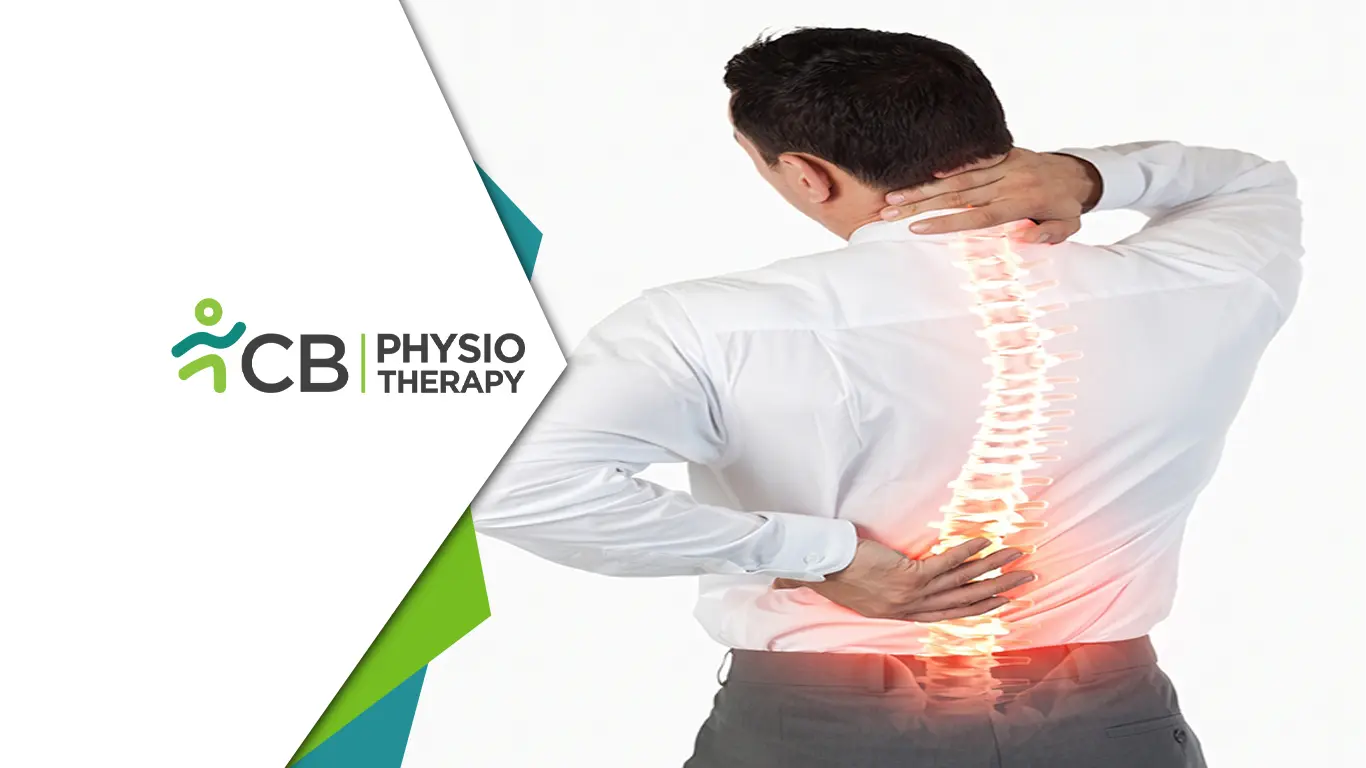
Standing is often considered healthier than sitting for long periods, and while movement and regular changes in posture are important for spinal health, standing for prolonged hours can also place significant stress on your spine. People whose jobs require them to stand for extended periods—such as teachers, healthcare workers, retail employees, security personnel, factory workers, and hospitality staff—may experience back pain, stiffness, and fatigue over time.
One
condition that can be associated with excessive spinal stress is Prolapsed
Intervertebral Disc (PIVD), commonly known as a slipped or herniated disc.
Fortunately, physiotherapy can play an important role in reducing risk factors,
improving spinal strength, and preventing recurring problems.
How Does Prolonged Standing Affect Your Spine?
Your spine is designed to support your body
while allowing movement and flexibility. When you stand, your spinal muscles
continuously work to keep your body upright. Standing in one position for
several hours can cause these muscles to become fatigued.
As fatigue develops, your posture may
gradually change. You might shift your weight onto one leg, lean forward, arch your
lower back, or lock your knees. These seemingly small changes can increase
uneven pressure on the structures of your spine.
The
lower back, or lumbar spine, is particularly vulnerable because it carries much
of your body's weight. Prolonged static standing may therefore contribute to:
·
Lower-back muscle
fatigue
·
Spinal stiffness
·
Poor posture and
altered body mechanics
·
Increased
pressure on spinal joints and discs
·
Reduced
flexibility
·
Recurring back
discomfort
Standing itself does not automatically cause a
slipped disc. However, prolonged static postures combined with poor body
mechanics, muscle weakness, previous injuries, obesity, repetitive lifting, or
other risk factors may contribute to spinal problems.
What Is PIVD?
Between the vertebrae of your spine are soft
structures called intervertebral discs. They act as shock absorbers and help
your spine move smoothly.
A PIVD occurs when the outer portion of a disc
becomes damaged or weakened, allowing its inner material to bulge or protrude.
If the affected disc irritates or compresses a nearby nerve, symptoms may
include lower-back pain, numbness, tingling, or pain travelling into the
buttock or leg.
Not
everyone with a disc problem experiences severe symptoms, and back pain can
have many different causes. Therefore, persistent or radiating symptoms should
be assessed by an appropriate healthcare professional.
How Can Physiotherapy Help Prevent PIVD?
Physiotherapy focuses on improving the way
your body moves, rather than simply treating pain after it occurs. A
physiotherapist can assess your posture, muscle strength, flexibility, movement
patterns, and work-related habits to identify factors that may be placing
unnecessary stress on your spine.
1. Posture Correction
Maintaining a balanced standing posture can
reduce unnecessary strain. Physiotherapy can teach you how to distribute your
weight evenly, maintain a neutral spinal position, and avoid excessive arching
or slouching.
2. Core Strengthening
Strong abdominal and spinal muscles provide
better support for your trunk. A physiotherapist can prescribe progressive
exercises that target the core, hips, and back muscles according to your
individual needs.
3. Flexibility Exercises
Tight muscles around the hips, hamstrings, and
lower back can affect posture and movement. Appropriate stretching and mobility
exercises can help maintain flexibility and make everyday movements more
efficient.
4. Movement Breaks
If your occupation requires prolonged
standing, remaining completely still for hours is not ideal. Regular movement
breaks can help reduce muscle fatigue. Simple activities such as walking for a
few minutes, changing your stance, or performing gentle mobility exercises can
be beneficial.
5. Ergonomic Advice
Physiotherapists can provide practical advice
for modifying your work environment. Depending on your occupation, this may
include using supportive footwear, adjusting work-surface height, using an
anti-fatigue mat where appropriate, and alternating between standing, walking,
and sitting when possible.
6. Safe Lifting Techniques
Standing jobs often involve additional
activities such as lifting, carrying, bending, or reaching. Learning proper
lifting mechanics is essential because repeatedly bending and lifting with poor
technique can place considerable stress on the lumbar spine.
Simple Habits to Protect Your Spine
If you spend much of your working day on your
feet, consider these simple habits:
·
Avoid staying in
the same position for long periods.
·
Shift positions
and walk briefly whenever possible.
·
Keep your weight
distributed comfortably between both feet.
·
Wear comfortable,
supportive footwear.
·
Strengthen your
core and lower-body muscles regularly.
·
Maintain a
healthy body weight.
·
Use proper
technique when bending and lifting.
·
Do not ignore
persistent or worsening back pain.
When Should You See a Physiotherapist?
Occasional back discomfort after a long day
may improve with rest and movement. However, if pain keeps returning,
interferes with daily activities, or travels into your buttock or leg, a professional
assessment is advisable.
Seek urgent medical attention for severe or
rapidly worsening symptoms, particularly new bladder or bowel problems,
numbness around the groin or saddle area, or significant weakness in the legs.
Long
hours of standing can place considerable demands on your spine, particularly
when combined with poor posture, muscle fatigue, repetitive movements, or
improper lifting. Although standing alone does not necessarily cause PIVD,
taking steps to improve spinal strength, flexibility, posture, and movement
habits can help reduce avoidable strain.
Physiotherapy offers a personalized approach
to spinal health by addressing contributing factors before they develop into
persistent problems. If your work keeps you on your feet for hours each day,
investing in good movement habits and professional guidance can be an important
step toward maintaining a strong, healthy spine.