

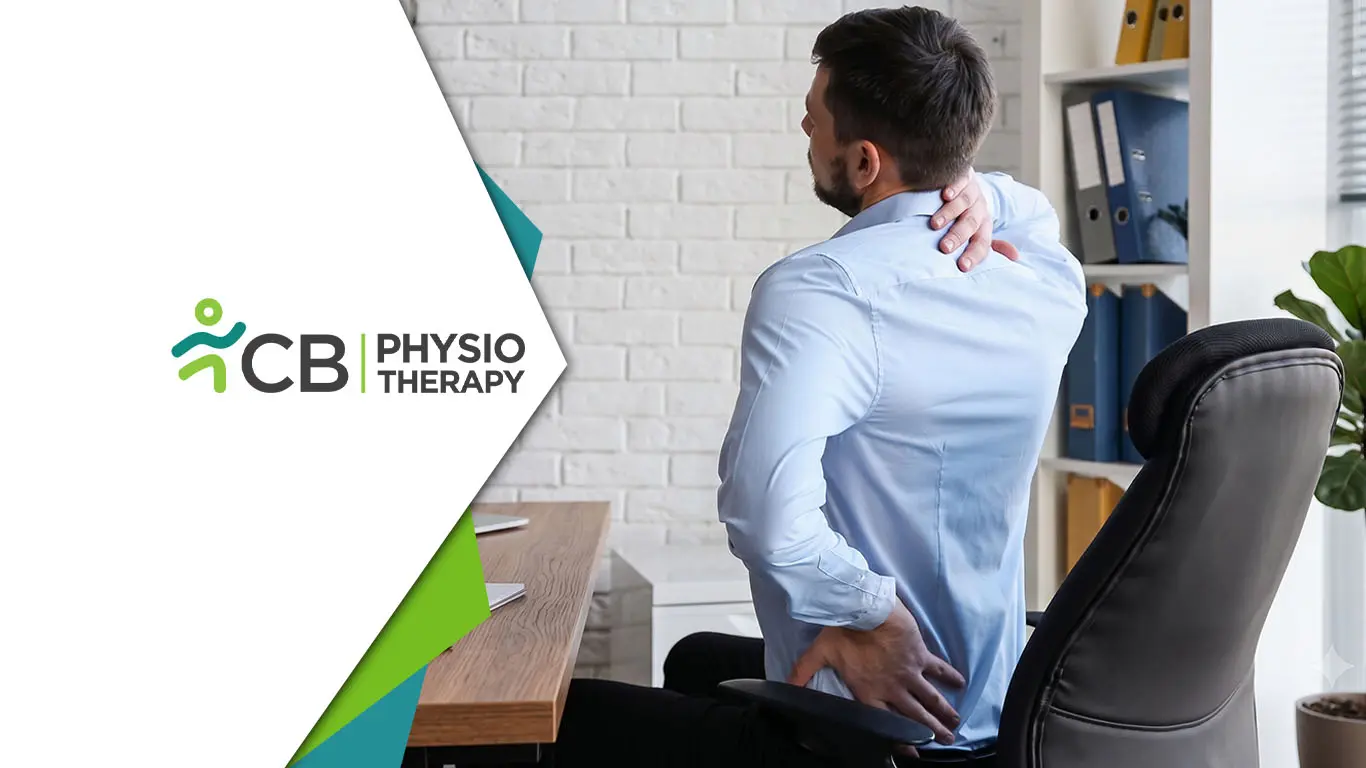
Business travel has become an integral part of many office jobs. Whether you're flying to client meetings, attending conferences, or commuting between cities, frequent travel can take a toll on your body. Long hours of sitting, carrying heavy luggage, poor posture, irregular sleep schedules, and limited opportunities for movement often contribute to muscle stiffness, joint pain, and reduced mobility.
While occasional discomfort may seem
inevitable, persistent aches and pains should never be ignored. Physiotherapy
offers practical solutions to help office workers who travel frequently prevent
injuries, maintain good posture, and stay productive wherever work takes them.
Why does frequent business travel affect your
body?
Traveling for work involves several physical
stressors that can gradually lead to discomfort and musculoskeletal problems.
Hours spent sitting in airplanes, trains, or cars reduce blood circulation and
increase muscle tightness, particularly in the neck, shoulders, lower back, and
hips.
Many business travelers also spend extended
periods working on laptops in airports, hotel rooms, or cafés without proper
ergonomic support. Poor workstation setups force the body into awkward
positions, increasing strain on muscles and joints.
In addition, lifting suitcases, rushing
through airports, disrupted sleep, and dehydration can further contribute to
fatigue and muscle stiffness.
Common Problems Experienced by Traveling
Professionals
Office workers who travel regularly often
experience:
·
Neck pain and
stiffness
·
Shoulder
tightness
·
Hip stiffness
·
Wrist discomfort
from prolonged laptop use
·
Swollen feet and
ankles after long flights
·
Muscle fatigue
·
Poor posture
·
Reduced
flexibility
·
Headaches related
to neck tension
Ignoring these symptoms can eventually lead to
chronic pain and decreased work performance.
How Does Physiotherapy Help Frequent Travelers?
Physiotherapy focuses on preventing injuries
as much as treating them. A physiotherapist assesses movement patterns,
posture, flexibility, and muscle strength to identify factors contributing to
discomfort.
Based on this assessment, an individualized
treatment plan may include:
Poor posture is one of the leading causes of
travel-related pain. Physiotherapists teach proper sitting, standing, and
walking techniques to reduce stress on the spine and improve body alignment
during long journeys.
Stretching and Mobility Exercises
Simple stretches performed during travel can
significantly reduce stiffness. Physiotherapists prescribe exercises that
target commonly affected areas, including the neck, shoulders, chest, hips,
hamstrings, and calves.
These exercises require minimal space and can
often be performed in airport lounges, hotel rooms, or even during short
breaks.
Strengthening Weak Muscles
Core muscles, back muscles, and hip
stabilizers play an essential role in supporting posture. Strengthening these
muscle groups helps reduce strain on the spine during prolonged sitting and
carrying luggage.
Regular strengthening exercises also improve
endurance, making travel less physically demanding.
For individuals already experiencing pain or
muscle tightness, physiotherapists may use manual therapy techniques to reduce
stiffness, improve joint mobility, and relieve muscle tension.
Combined with exercise therapy, manual
treatment often accelerates recovery.
Tips for Staying Pain-Free While Traveling
Move Every Hour
Avoid remaining seated for long periods.
During flights or train journeys, stand up and walk whenever possible. If
movement is limited, perform gentle ankle pumps, shoulder rolls, and neck
stretches while seated.
Pack Smart
Choose luggage with smooth-rolling wheels and
adjustable handles. Avoid carrying heavy bags on one shoulder. When lifting
luggage, bend your knees rather than your back.
Improve Laptop Ergonomics
When working in hotels or airports, position
your laptop at eye level whenever possible. Using a portable laptop stand and
an external keyboard can help reduce neck strain.
Stay Hydrated
Dehydration contributes to muscle fatigue and
joint stiffness. Drinking enough water throughout your journey supports
circulation and overall physical well-being.
Wear Comfortable Footwear
Supportive shoes reduce stress on the feet,
knees, and lower back, especially when walking long distances through airports
or convention centers.
Prioritize Sleep
Quality sleep allows muscles to recover after
long travel days. Maintaining a consistent sleep routine whenever possible
helps reduce fatigue and supports overall recovery.
Simple Exercises You Can Perform Anywhere
Here are a few easy exercises recommended by
physiotherapists:
1. Neck Stretch:
Slowly tilt your head toward each shoulder and hold for 20 seconds.
2. Shoulder Rolls:
Roll your shoulders backward ten times, then forward ten times to relieve
tension.
3. Seated Spinal Twist: While seated, gently rotate your upper body to each side to
improve spinal mobility.
4. Standing Calf Raises: Raise onto your toes and slowly lower back down to improve
circulation.
5. Hip Flexor Stretch: Step one foot forward into a gentle lunge to stretch tight hip
muscles after prolonged sitting.
These exercises take only a few minutes but
can significantly reduce stiffness during travel.
When Should You See a Physiotherapist?
Seek professional assessment if you
experience:
·
Pain lasting more
than a few weeks
·
Numbness or
tingling in the arms or legs
·
Frequent
headaches associated with neck pain
·
Difficulty
sitting for extended periods
·
Pain that
interferes with work or daily activities
·
Recurrent muscle
strains after travel
Early intervention helps prevent minor issues
from becoming long-term problems.
Long-Term Benefits of Physiotherapy
For office workers who travel frequently,
physiotherapy provides more than temporary pain relief. Regular treatment and
guided exercise can improve posture, increase flexibility, enhance muscle
strength, reduce the risk of injuries, and support long-term spinal health.
Better physical health also leads to improved
concentration, higher productivity, greater energy levels, and a more enjoyable
travel experience.
Frequent business travel doesn't have to mean
living with constant aches and stiffness. By combining good posture, regular
movement, targeted exercises, and professional physiotherapy guidance, office
workers can stay healthy and comfortable wherever work takes them.
Whether you travel once a month or every week,
investing in your musculoskeletal health today can prevent chronic pain and
keep you performing at your best for years to come. If travel-related
discomfort has become a regular part of your routine, consulting a qualified
physiotherapist is an effective step toward lasting relief and better overall
well-being.
v We hope this blog has been
helpful. If you have any questions, please feel free to contact us. For
inquiries, appointments, and more information, please visit
cbphysiotherapy.in/delhi or contact us at 011-42249892.