

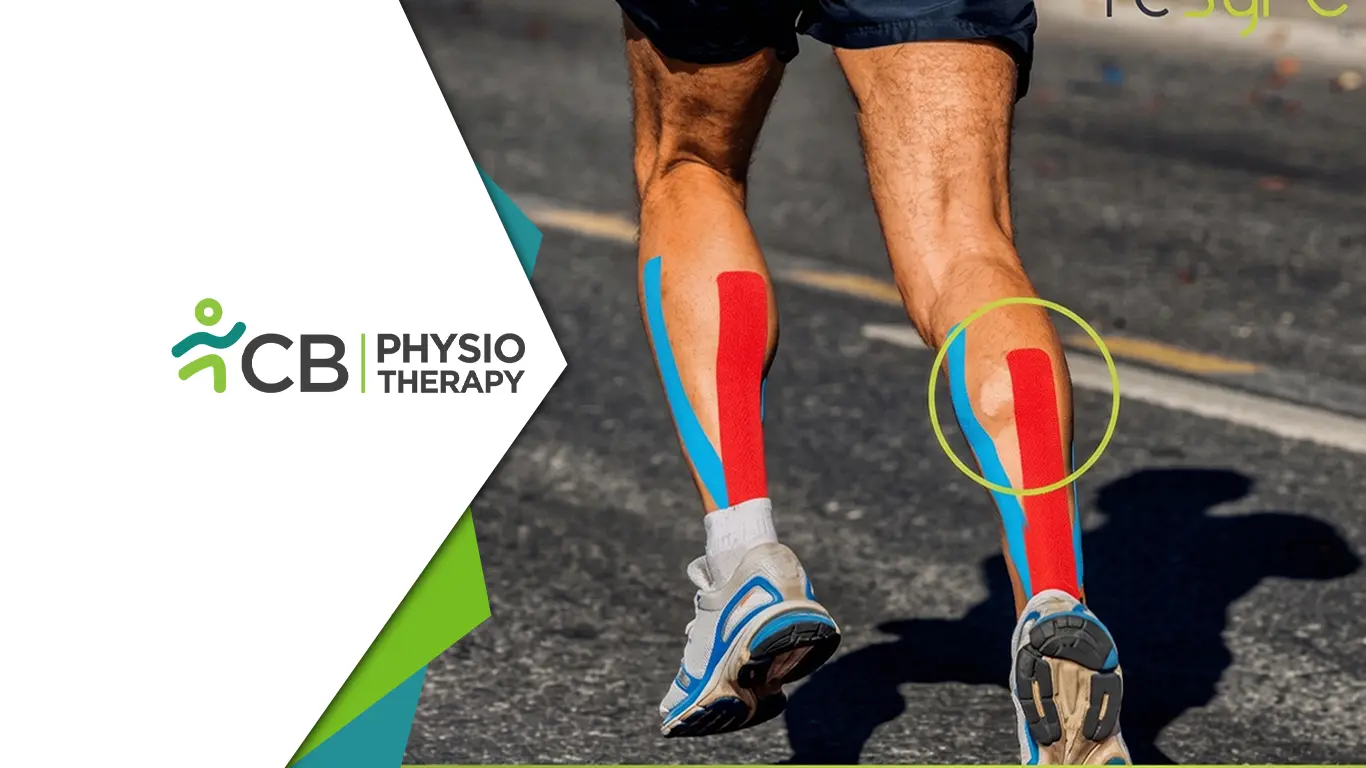
When we think about blood circulation, the heart naturally takes center stage. However, another powerful yet often overlooked contributor is working tirelessly to keep blood flowing efficiently throughout the body—your calf muscles. Commonly referred to as the “second heart,” the calf muscles play a crucial role in maintaining proper circulation, especially in the lower limbs. Understanding their function and strengthening them through physiotherapy can significantly improve overall vascular health and mobility.
Understanding the Calf
Muscle Pump
The calf is primarily made
up of two major muscles—the gastrocnemius and the soleus. Together, they form a
dynamic system known as the calf muscle pump. Every time you walk, run,
or even stand on your toes, these muscles contract and relax rhythmically.
This contraction
compresses the deep veins in the lower leg, pushing blood upward toward the
heart against gravity. Valves within the veins ensure that the blood flows in
one direction and does not flow back. Without this mechanism, blood would pool
in the legs, leading to swelling, discomfort, and various circulatory
disorders.
Why Calf Muscles Are Essential
for Circulation
The role of calf muscles
goes far beyond simple movement. They are essential for:
1. Preventing Blood
Pooling
When calf muscles are weak
or inactive, blood tends to accumulate in the lower limbs. This can cause
heaviness, fatigue, and swelling, especially after prolonged sitting or
standing.
2. Reducing the Risk of
Venous Disorders
Efficient calf muscle
function helps lower the risk of conditions like varicose veins and deep vein
thrombosis (DVT). Poor circulation can lead to clot formation, which may become
life-threatening if not addressed.
3. Supporting Lymphatic
Drainage
Apart from blood
circulation, calf muscle contractions also assist in moving lymphatic fluid,
helping reduce fluid retention and improving tissue health.
4. Enhancing Overall
Mobility and Endurance
Strong calves improve
walking efficiency, balance, and endurance, making everyday activities easier
and more comfortable.
Factors That Weaken the
Calf Muscle Pump
In modern lifestyles, several factors contribute to reduced calf muscle activity:
· Sedentary habits and prolonged sitting
·
Lack of regular exercise
·
Aging and muscle loss
·
Post-surgical immobilization
·
Neurological or musculoskeletal conditions
These factors can impair
circulation over time, making it essential to actively maintain calf strength
and function.
Physiotherapy Solutions to
Strengthen Calf Muscles
Physiotherapy offers safe,
effective, and evidence-based strategies to enhance calf muscle strength and
improve circulation. A structured program not only targets muscle strengthening
but also focuses on mobility, endurance, and functional performance.
1. Active Range of Motion
Exercises
Simple ankle movements
such as ankle pumps (pointing and flexing the foot) can stimulate circulation,
especially for individuals who are bedridden or have limited mobility.
2. Calf Raises
One of the most effective exercises, calf raises involve lifting your heels off the ground while standing.
· Start with both legs, progress to single-leg raises
·
Perform 10–15 repetitions, 2–3 sets
·
Can be done on flat ground or an elevated surface for
progression
This exercise directly
activates the calf muscle pump and improves venous return.
3. Walking Programs
Regular walking is a
natural way to engage the calf muscles. A physiotherapist may design a graded
walking program based on the patient’s fitness level to gradually improve
circulation and endurance.
4. Resistance Training
Using resistance bands or
weights can help build strength in the calf muscles. Exercises like resisted
plantarflexion provide targeted strengthening and improve muscle efficiency.
5. Stretching Exercises
Tight calf muscles can
restrict movement and reduce functional efficiency. Stretching the
gastrocnemius and soleus muscles helps maintain flexibility and prevents injury.
6. Functional Training
Activities like stair
climbing, step-ups, and balance exercises improve coordination and ensure that
the calf muscles are effectively engaged during daily movements.
7. Manual Therapy and
Modalities
Physiotherapists may use
techniques such as soft tissue mobilization, massage, and advanced modalities
to improve blood flow, reduce stiffness, and enhance recovery.
Who Can Benefit the Most?
Physiotherapy for calf strengthening is beneficial for a wide range of individuals, including
· People with sedentary lifestyles
·
Office workers and frequent travellers
·
Elderly individuals with reduced mobility
·
Patients recovering from surgery or injury
·
Individuals with varicose veins or chronic swelling
·
Athletes looking to improve performance and prevent injuries
Preventive Tips for Better
Circulation
In addition to physiotherapy, adopting simple lifestyle habits can significantly improve calf muscle function and circulation:
· Avoid sitting or standing for prolonged periods
·
Take short walking breaks every hour
·
Elevate your legs when resting
·
Stay hydrated
·
Wear appropriate footwear
·
Practice regular stretching and strengthening exercises
The calf muscles are far
more than just contributors to movement—they are essential for maintaining
healthy blood circulation and overall lower limb function. Weak or inactive
calf muscles can lead to a cascade of circulatory issues, affecting both
comfort and long-term health.
Through targeted
physiotherapy interventions, it is possible to strengthen the calf muscle pump,
enhance circulation, and prevent complications. Whether you are recovering from
an injury, managing a medical condition, or simply aiming to stay active,
prioritizing calf health is a step toward better mobility and well-being.
Taking care of your calves
means supporting your body’s natural circulation system—because sometimes, the
small muscles play the biggest roles.